
Searching for herbs for kidney health can bring up lists of botanicals, “cleanse” programs and supplements with bold promises. But the most useful starting point is understanding what your kidneys do naturally, what the research actually says about individual herbs, and which safety questions matter.
This guide explores commonly marketed herbs—including cranberry, astragalus, chanca piedra, uva ursi, goldenrod, horsetail and nettle—without assuming that traditional use establishes a medical benefit. It also offers a practical checklist for reading supplement labels.
Do Healthy Kidneys Need a Cleanse?
Your kidneys continually filter blood and help regulate fluid and mineral balance. There is no established medical need for a routine herbal “kidney detox” in otherwise healthy people. Kidney-cleanse programs and supplements have not been shown to remove toxins from the kidneys or restore damaged kidney tissue. Cleveland Clinic advises caution about these claims and notes potential risks from restrictive cleanses and supplements.
The words “kidney cleanse” and “kidney support” are commonly used in supplement shopping, but those labels do not prove a physiological result. A botanical formula is not a treatment for kidney disease, kidney stones or urinary infections.
What Does the Research Say About Common Kidney and Urinary Herbs?
Research varies widely by plant species, plant part, preparation, dose and population. Clinical evidence on one extract cannot automatically be transferred to a different powder or multi-ingredient product.
Cranberry
Cranberry is commonly associated with urinary wellness. Research has considered certain cranberry products for recurrent urinary tract infection prevention in selected populations, but this should not be confused with treatment of an active infection, kidney protection or improved filtration. A product listing “30% cranberry extract” is also not necessarily equivalent to the preparation used in a clinical trial.
Astragalus
Astragalus root appears in traditional botanical systems and is sometimes discussed in kidney-related research. Evidence remains preparation-specific and is not a basis for claiming that a commercial herbal blend treats chronic kidney disease. The National Kidney Foundation lists astragalus among botanicals presenting elevated risks for certain people with kidney disease, particularly transplant recipients and people with lupus nephritis.
Chanca Piedra
Chanca piedra is sometimes nicknamed “stone breaker,” which can make supplement descriptions sound more definitive than the evidence supports. Traditional use and early-stage investigations do not establish that an over-the-counter formula dissolves or prevents kidney stones. Stones can require professional evaluation depending on their size, location and symptoms.
Uva Ursi
Uva ursi, also called bearberry, has a history of traditional urinary use. That history does not establish that it treats an infection. Safety and duration of use require care. The National Kidney Foundation identifies bearberry/uva ursi among herbs of elevated concern for people living with kidney disease.
Goldenrod and Juniper Berry
Goldenrod and juniper berry appear in traditional herbal products for urinary-related use. Evidence for a finished supplement’s kidney-health benefits is limited, and older herbal traditions should not be translated into promises of diuresis, toxin removal or treatment. Goldenrod is among the National Kidney Foundation’s higher-risk botanicals for people with kidney disease.
Stinging Nettle and Horsetail
Both nettle and horsetail appear in botanical wellness formulas. Plant parts and preparations matter: nettle leaf is not the same as nettle root, and an herb’s common name may cover several species. Horsetail and stinging nettle also appear in the National Kidney Foundation’s cautions for kidney disease, including considerations around mineral content.
Birch, Buchu and Java Tea Leaf
These are additional botanicals used in certain traditional preparations. Their presence on an ingredient list does not demonstrate that a product cleanses or strengthens kidneys. For people with existing kidney disease, professional advice is especially important before using multi-herb formulas; the National Kidney Foundation includes Java tea leaf and certain other herbs among its safety concerns.
How to Compare an Herbal Kidney Supplement
1. Read the full serving size
Ingredient amounts ordinarily refer to a complete serving. A 60-capsule bottle with a two-capsule serving provides 30 servings, not 60. Compare cost per serving instead of simply cost per capsule.
2. Look for ingredient forms
Powders and extracts are not interchangeable. A label may list cranberry 30% extract, birch leaf 6:1 extract or a whole-plant powder. These descriptions convey different information. A 4:1 extract ratio does not mean “four times as effective,” and a standardization percentage is not proof of a clinical outcome.
3. Check multi-ingredient blends
Long ingredient lists can be convenient, but they can also complicate comparison with research on a single herb. A proprietary blend may disclose only its combined weight. Look for an accurate Supplement Facts panel and do not assume that research on each individual ingredient proves a benefit from the finished combination.
4. Review warnings and medication considerations
Herbal ingredients can interact with prescriptions, affect fluid balance or pose special concerns in kidney disease. People with kidney disease, transplant recipients, those with significant urinary symptoms, and people using multiple medications should ask their healthcare team before taking these supplements.
5. Keep product descriptions separate from disease claims
“Contains cranberry extract” is a verifiable label statement. “Repairs kidneys,” “flushes toxins,” “improves GFR,” “treats kidney stones” and “clears urinary infections” are different kinds of claims and should not be inferred from botanical ingredients.
An Example: Reading Potent Garden’s Botanical Formula
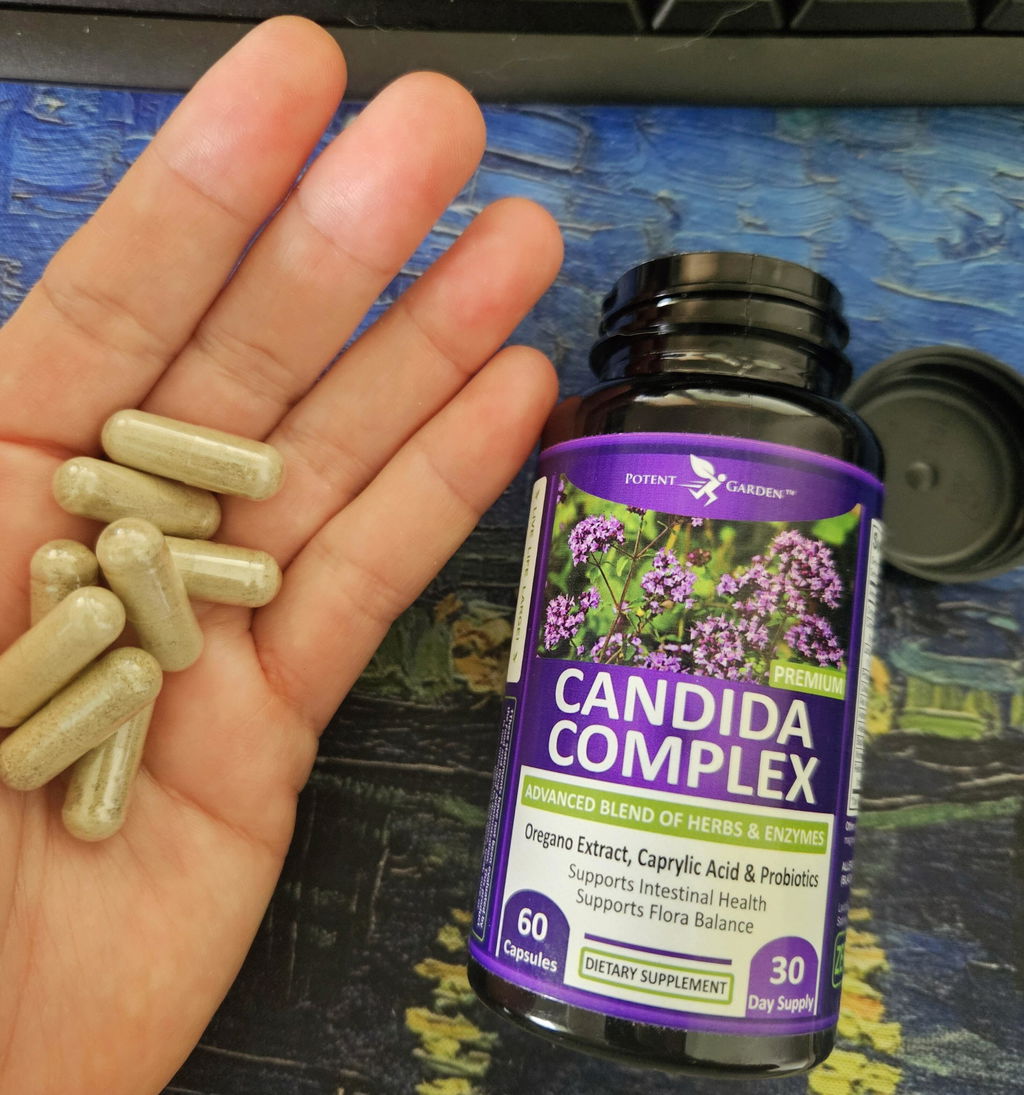
Potent Garden Kidney Cleanse is a multi-ingredient botanical supplement with 60 vegetable capsules and 30 labeled servings. Each two-capsule serving lists 400 mg cranberry 30% extract, 200 mg astragalus root extract, 100 mg chanca piedra powder, 100 mg uva ursi leaf powder and other herbs, including goldenrod, horsetail and nettle.
This ingredient list helps shoppers understand what is inside the bottle. It is not a statement that the product detoxifies kidneys or treats a disease. The full Supplement Facts label and package directions should guide purchasing decisions, alongside individualized advice when health conditions or medications are involved.
Everyday Habits With Stronger Support
For general kidney wellness, well-established habits matter more than a “detox” routine: maintain appropriate hydration, manage blood pressure and blood sugar, eat a balanced diet, remain physically active, and review medications with your healthcare team. Fluid recommendations can differ for someone with kidney or heart disease, so generalized advice to drink large amounts of water may not be appropriate.
Frequently Asked Questions
What are the best herbs for kidney health?
There is no universally proven “best” herb for protecting kidneys. Different botanicals have been studied for different questions, often with limited evidence. Avoid assuming ingredient popularity equals clinical benefit.
Can herbs detox the kidneys?
No herbal kidney-detox regimen has been established as necessary for healthy kidneys. Kidneys naturally perform filtration, and marketed detox claims often exceed available evidence.
Is cranberry the same as a kidney cleanse?
No. Cranberry is a botanical ingredient commonly studied in urinary-health contexts. It is not a substitute for kidney care or a treatment for infection.
Does chanca piedra break up kidney stones?
That nickname should not be treated as a medical claim. Evidence on specific preparations does not establish that an over-the-counter supplement breaks up kidney stones.
What does a 4:1 botanical extract mean?
It describes a manufacturing ratio, generally referring to the starting plant material relative to resulting extract. It does not guarantee a specific active compound level or improved clinical effectiveness.
Are multi-herb products safe for people with kidney disease?
Not necessarily. The National Kidney Foundation recommends substantial caution because some herbs may worsen kidney disease, affect medications or create other risks. Consult a kidney clinician before use.
Can a dietary supplement replace medical care for urinary symptoms?
No. Painful urination, fever, blood in urine, swelling, significantly reduced urination or recurring symptoms warrant medical assessment rather than self-treatment.
Bottom Line
Herbal kidney products are best evaluated with careful attention to ingredient identity, form, serving size, evidence limits and safety. The most credible approach is to understand the label and avoid claims that a supplement performs a special kidney detox or treats disease. For shoppers who want to review an example of a cranberry-containing multi-botanical formula, see the Potent Garden Kidney Cleanse product page.
References and Further Reading
- National Kidney Foundation: Herbal Supplements and Kidney Disease
- Cleveland Clinic: Kidney Cleanse—Detox, Risks and Considerations
- NIH NCCIH: Cranberry—Usefulness and Safety
This article is educational and not a substitute for medical advice. Dietary supplements are not intended to diagnose, treat, cure or prevent disease.
Leave a comment
This site is protected by hCaptcha and the hCaptcha Privacy Policy and Terms of Service apply.